Junk Removal Pricing in Brockton, MA: 2025 vs. 2026, What's Actually Changed
Last updated: 07/04/2026 — by the Junk Removal Brockton MA team
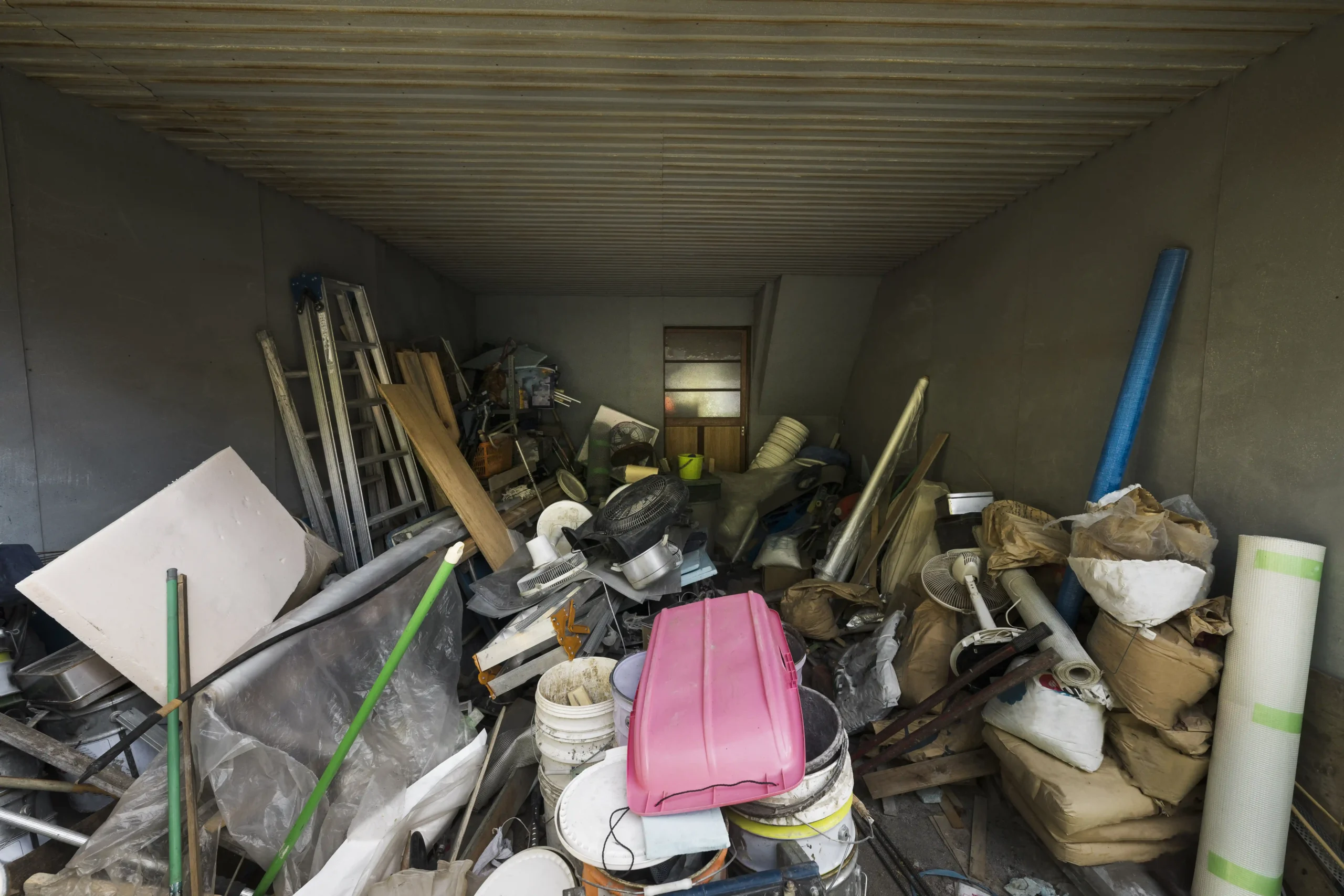
If you’ve gotten a quote for junk removal recently, you may have noticed it looks a little different than what you’d have paid a year ago. There’s no single “2025 price” or “2026 price” for junk removal pricing has always varied by job, and it still does. What follows are typical estimated ranges, along with the real factors that can push a quote higher or lower from one year to the next.
In short: Junk removal costs vary by item type, volume, access, and disposal requirements. Many homeowners may notice slightly higher estimates in 2026 than they received a year earlier, though there isn’t a universal price increase across the industry disposal costs, labor, insurance, and fuel all continue to influence individual quotes. Below are typical ranges to help you plan, and an upfront quote from us before any work begins.
Why Pricing Isn’t a Single Number In Either Year
A lot of pricing pages present junk removal costs as if every company charges the same flat rate. In reality, two nearly identical jobs can come in at different prices depending on the truck used, how far the load has to be carried, what’s in it, and where it’s being disposed of. That was true in 2025, and it’s true in 2026. So rather than pretend there’s one number for each year, here’s what typically drives a quote and how that’s shifted.
What Can Push Pricing Higher From One Year to the Next
Disposal and Transfer Station Fees
Local transfer stations and disposal facilities periodically adjust their fees. Since junk removal companies pass disposal costs through rather than absorb them, a change at the facility level can show up directly in your quote.
Labor, Insurance, and Fuel
Like most local services, junk removal pricing is sensitive to labor costs, insurance premiums, and fuel prices. None of these move in a straight line year over year, but modest increases in any of them can nudge quotes upward over time.
Massachusetts Waste Ban Compliance
This one’s easy to overlook, but it affects pricing on specific items. Massachusetts has banned certain materials from regular disposal since the early 1990s, and the list has expanded over time most recently adding mattresses and textiles, effective November 1, 2022, along with a lower threshold for commercial food waste disposal.
Practically, that means a mattress or box spring can’t just go in with a standard load it has to go through an approved recycling or diversion channel, which takes more handling than an item with no restrictions. If your quote includes a mattress or a large volume of textiles, that’s part of why.
This isn’t a minor rule on paper, either. MassDEP fined a Brockton-area transfer station $20,000 in early 2026 for violating state solid waste regulations, including waste-ban compliance requirements. Facilities and the companies that use them take this seriously because it’s enforced, not just recommended.
Typical Estimated Pricing Ranges (2026)
These are illustrative, industry-typical ranges, not a quote. Your actual price depends on your specific job accessibility, item condition, volume, and current disposal costs all factor in.
|
Service |
Typical Estimated Range |
|
Single small item |
$75 to $150 |
|
Recliner or chair |
$80 to $150 |
|
Couch or sofa |
$100 to $250 |
|
Mattress and box spring |
$100 to $200 |
|
Refrigerator or freezer |
$100 to $250 |
|
Washer or dryer |
$90 to $200 |
|
1/8 truckload |
$100 to $200 |
|
1/4 truckload |
$200 to $350 |
|
1/2 truckload |
$350 to $550 |
|
3/4 truckload |
$500 to $700 |
|
Full truckload |
$700 to $1,000+ |
|
Garage cleanout |
$300 to $900+ |
|
Estate or whole-house cleanout |
$800 to $3,000+ |
How Estimates Have Shifted: 2025 vs. 2026
Rather than claim a specific percentage increase which isn’t something we can verify industry-wide here’s how typical estimated ranges compare, and what tends to explain the difference:
|
Service |
Typical 2025 Estimate |
Typical 2026 Estimate |
Why It May Differ |
|
Single item pickup |
$75 to $140 |
$75 to $150 |
Disposal and labor costs may vary |
|
1/4 truckload |
$180 to $325 |
$200 to $350 |
Fuel, labor, and disposal expenses |
|
1/2 truckload |
$325 to $525 |
$350 to $550 |
Larger loads are more affected by disposal costs |
|
Full truckload |
$650 to $950 |
$700 to $1,000+ |
Higher disposal and operating costs |
Depending on the type of job, some estimates may be modestly higher than in 2025 because operating costs have continued to evolve but this varies by company, region, and job type, and there’s no single “official” year-over-year rate of change to point to.
What Actually Affects Your Quote
A few factors move the price on any individual job more than the calendar year does:
-
Access. Curbside pickup costs less than a job requiring stairs or a long carry to the truck.
-
Item type. Items on Massachusetts’ disposal-ban list (mattresses, textiles, certain electronics) take more handling time.
-
Volume. Consolidating into one visit is typically cheaper per item than multiple smaller pickups.
-
Timing. Same-day or emergency requests often cost more than jobs booked a few days out.
Junk Removal vs. Dumpster Rental vs. DIY
None of these is automatically the cheapest option it depends on the job.
Dumpster rental tends to make sense if you’re sorting and loading yourself over several days and don’t need anything hauled immediately. You’re paying mainly for the container.
DIY dump runs can be the lowest out-of-pocket cost if you already have a truck and time but transfer stations charge their own tipping fees per load, and banned items still need to be handled correctly, which is easy to underestimate.
Junk removal typically costs more per job than either option, but it includes labor, loading, sorting for donation or recycling, and proper handling of banned materials. For heavy items, difficult access, or anything on the state’s disposal-ban list, it’s often the more practical choice once your own time and effort are factored in.
How to Get the Best Price
-
Consolidate. A single half-truckload visit is generally more cost-effective than two quarter-load visits.
-
Prep for curbside. Moving items to the driveway or curb ahead of time cuts labor time, which helps keep the quote lower.
-
Book ahead when possible. Scheduling a few days out typically avoids same-day or urgent-request premiums.
-
Mention restricted items upfront. If a mattress or textiles are part of the load, saying so when you book avoids surprises in the final price.
Frequently Asked Questions
How much does junk removal typically cost?
Estimated ranges typically run from about $75 for a single small item up to $1,000 or more for a full truckload, depending on volume, access, item type, and current disposal costs. Get an exact quote before booking, since pricing varies by job.
Why might junk removal cost more in 2026 than in 2025?
There’s no universal industry-wide increase, but many companies’ costs have shifted due to disposal fees, labor, insurance, and fuel any of which can modestly affect quotes from one year to the next.
Can you throw a mattress away in Massachusetts?
No, mattresses have been banned from regular disposal in Massachusetts since November 1, 2022, along with textiles. They have to go through an approved recycling or diversion channel, which we handle as part of a standard job.
Does junk removal pricing include disposal fees?
Yes, our quotes include transfer station and disposal fees, so nothing gets added after the fact.
Do you offer free quotes?
Yes, we do and you can contact us to get it.
Get a Quote
Estimated ranges are a starting point, the only way to know your exact price is to get a quote for your specific job. We’ll give you an upfront number before any work begins, with no surprise charges once the truck arrives. view our services or visit us and get your free quote
Sources:
Massachusetts Department of Environmental Protection, Waste Disposal Bans (mass.gov/guides/massdep-waste-disposal-bans)
MassDEP press release, waste ban enforcement action, Brockton facility, March 2026 (mass.gov/news)